Fire Safety Audit Software for Digital Inspections, Equipment Checks, and Compliance

Fire safety inspections only protect buildings if they are consistent and verifiable. Paper forms vanish, manual checks are unreliable, and corrective actions often go forgotten. flowdit digitizes your fire safety program, from routine extinguisher checks to complex annual risk assessments, with automated scheduling, photo-verified evidence, and closed-loop corrective action tracking.
Audit in 2 Minutes

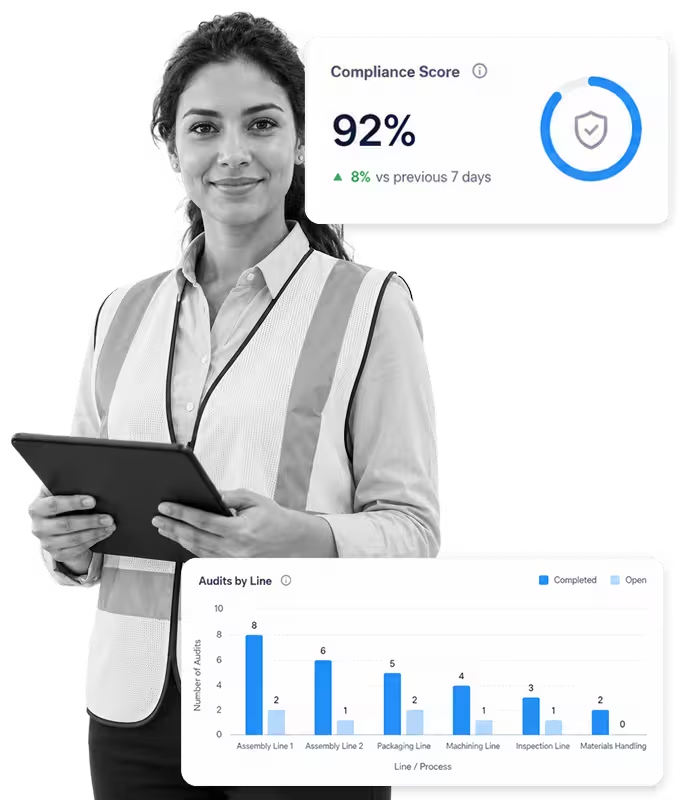
Give your facility teams a mobile-first platform for fire safety inspections. Ensure every check is recorded, every deficiency is flagged, and every risk is mitigated.

Eliminate compliance risks

Regulatory fire safety compliance fails when records are incomplete. Paper-based systems invite error and allow unresolved hazards to persist. flowdit enforces strict digital accountability—ensuring every inspection is performed, recorded, and remediated to meet legal standards.

Meet local, state, and insurance fire safety standards

Centralized oversight for building safety

Verified evidence for every asset

Close gaps before they cause incidents
Audit planning and inspection
Planning workflow and strategy board

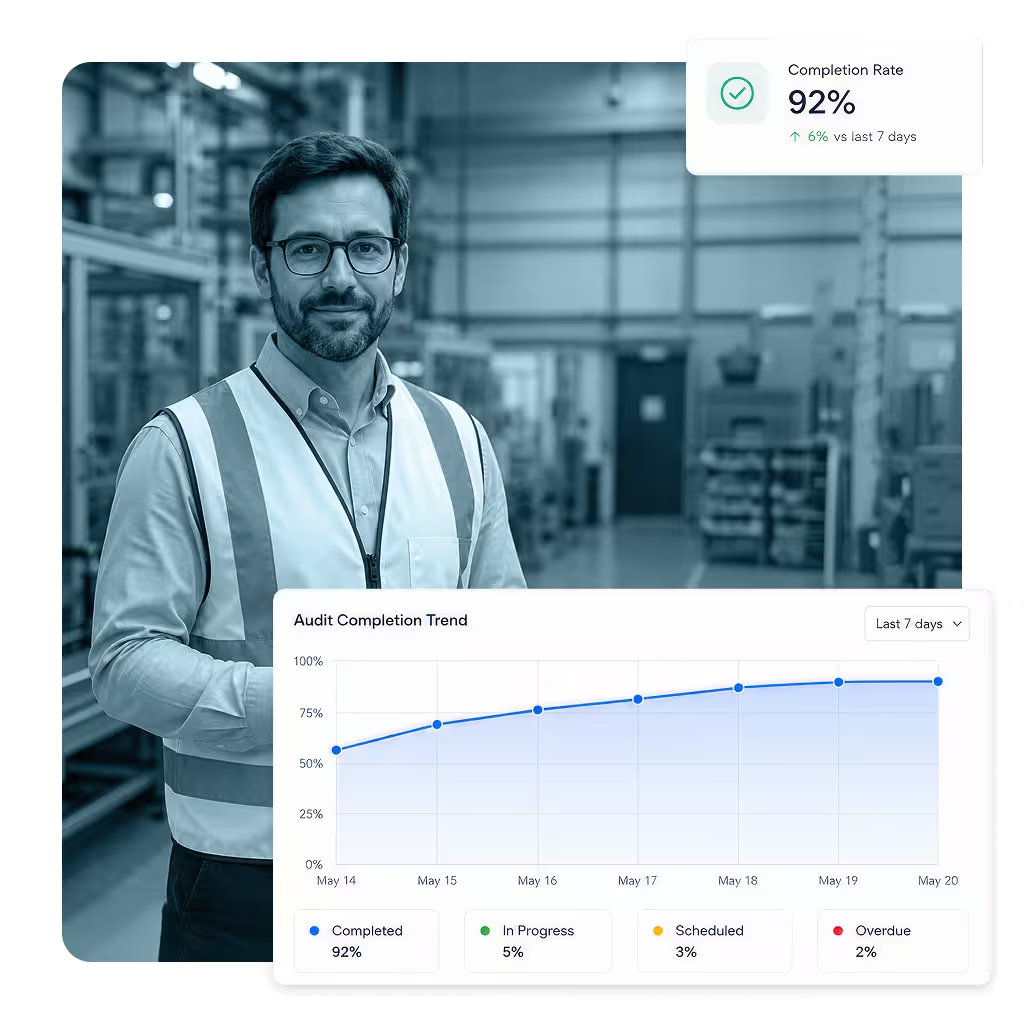
Control inspections across all facilities

Managing fire safety across multiple buildings is a scheduling nightmare. flowdit keeps you organized with automated audit calendars, real-time status alerts, and built-in task management. Know the status of every extinguisher, alarm, and exit door instantly.

Manage all assets from a single dashboard

Automated scheduling: weekly, monthly, annual

Task delegation by site, zone, or inspector

Escalation for missed inspections

Digital checklist on tablet

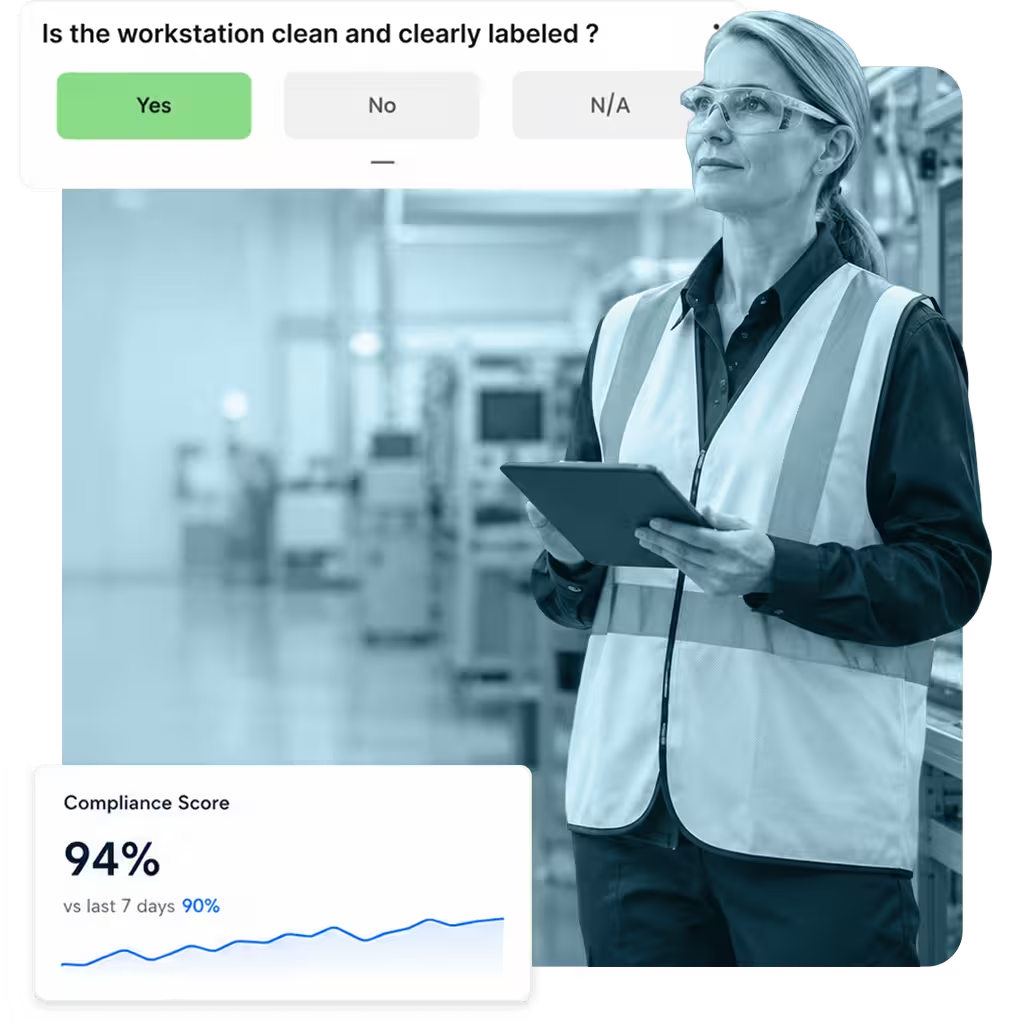
Mobile-first fire safety checklists

Audit in the field, not the office. flowdit provides guided checklists for fire extinguishers, emergency lights, alarm systems, and exit routes. Capture photo evidence of issues instantly and work offline in complex facility areas.

Tailored checklists for every fire asset

Visual documentation at every checkpoint

Instant deficiency flagging

Works offline without internet

Audit reporting dashboard

Instant, audit-ready reporting

Ditch manual report compilation. flowdit generates professional, branded PDF reports as soon as an audit ends. These reports clearly map out findings, photo evidence, and deficiency statuses, making you audit-ready for regulators and insurers at all times.

Custom scoring and priority grading

Automatic, professional PDF generation

Verified audit trail

Signed, timestamped proof of compliance
Audit analytics and KPIs

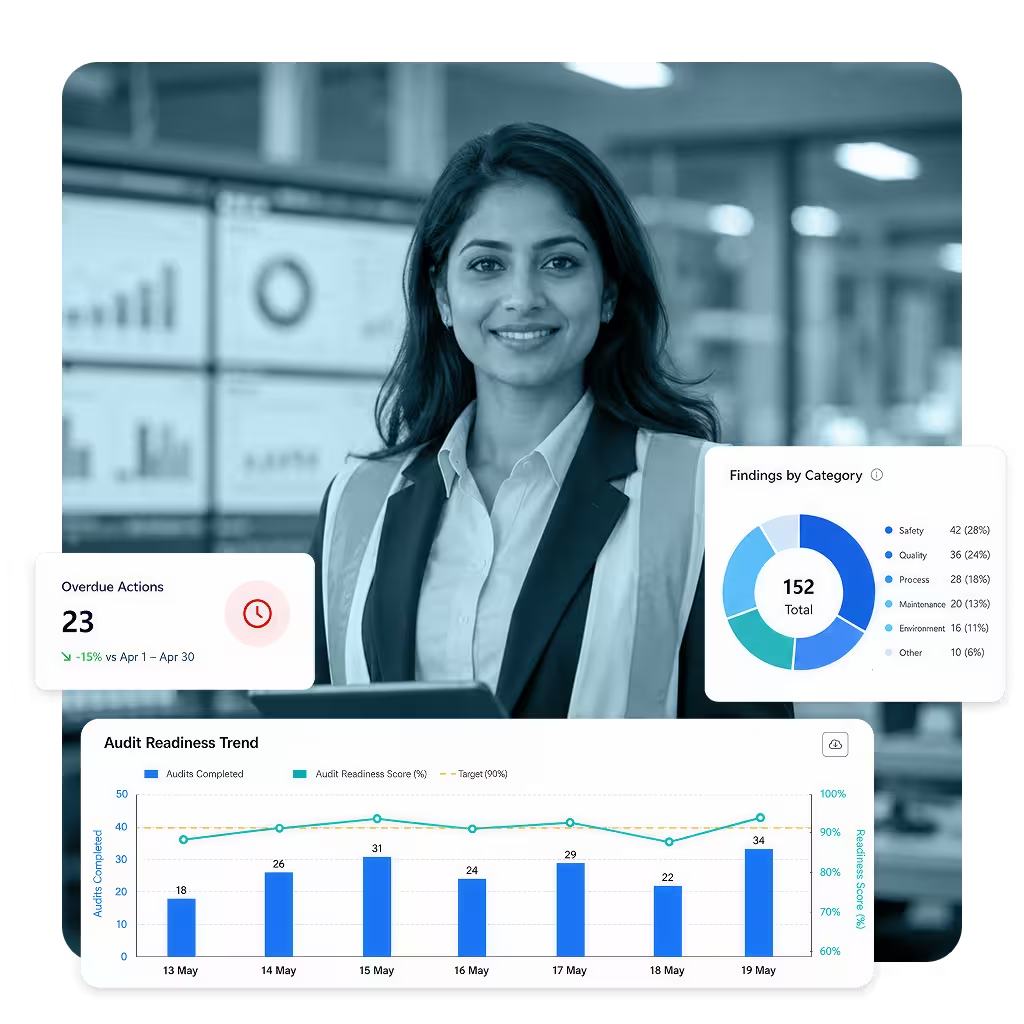
Improve via data

Use performance data to predict and prevent issues. Compare inspection trends by building or zone, identify the most common equipment failures, and track how quickly your team resolves high-priority safety hazards. Move from reactive maintenance to data-backed safety improvements.

Building-level safety heatmaps

Track high-risk equipment patterns

Monitor team resolution speed

Custom setup by our experts
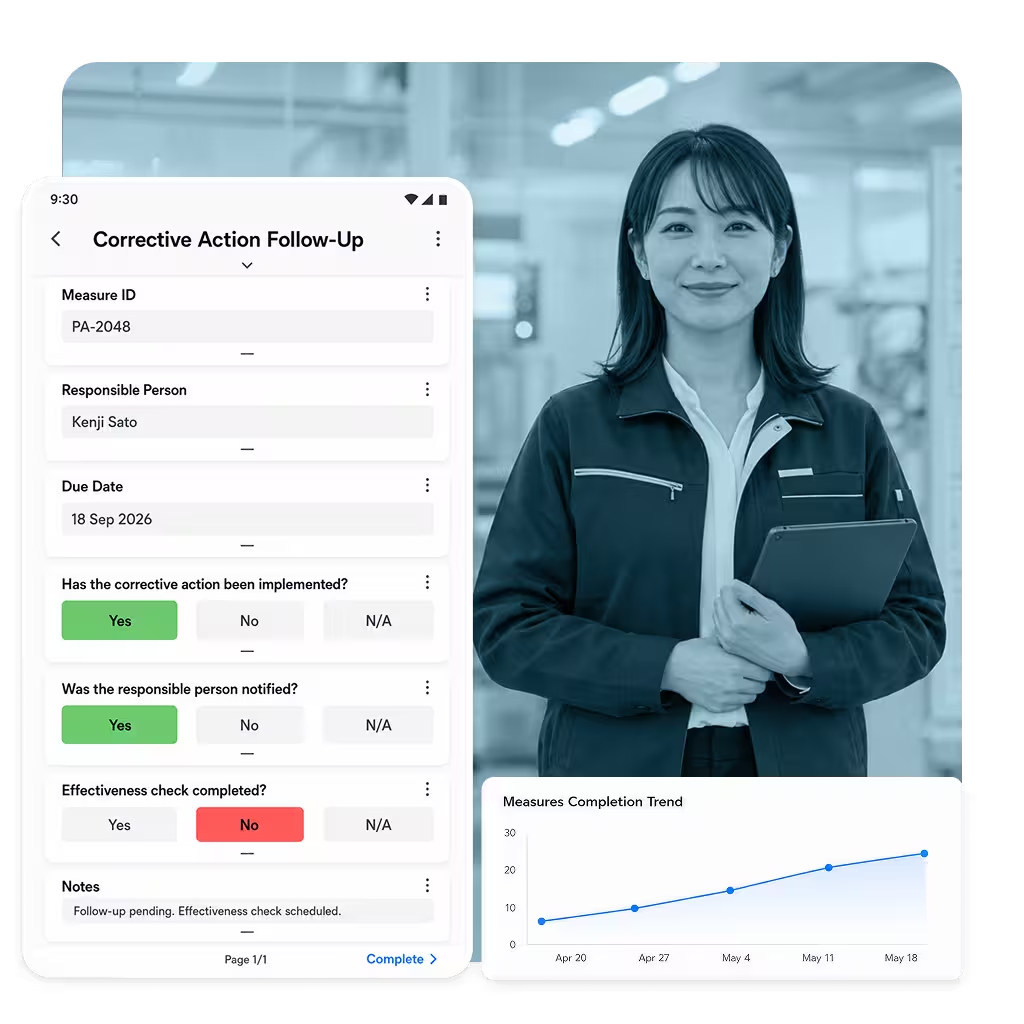
CAPA workflow collaboration

Close safety gaps

Don't let hazards linger. flowdit turns every inspection failure into an actionable task. Assign tasks to specific owners, set hard deadlines, and verify resolution with mandatory follow-up checks. Automated alerts guarantee accountability.

Task ownership and deadlines

Immediate escalation for critical hazards

Automated reminders

Verification required before closure

Compliance software for all facility types

Manage all fire safety inspections centrally. flowdit supports the full range of fire compliance requirements in one interface.

Extinguisher Inspection

Emergency Lighting

Fire Alarm Systems

Exit & Egress Pathing

Fire Door Audits

Digitize fire safety

Plan
Schedules & templates
Inspect
Offline-ready mobile app
Document
Photos & notes
Flag
Severity levels
Assign
Owners & dates
Resolve
Status & escalation
Report
PDF compliance reports
Analyze
Trend intelligence

Client Success Stories

Explore more

FAQs

A fire safety audit is a systematic inspection of a building's fire protection systems, equipment, and emergency procedures to identify hazards and ensure compliance with fire codes. It covers extinguishers, alarm systems, emergency lighting, exit routes, and evacuation plans. Audits are required by law in most jurisdictions and by insurance companies to verify your building is safe and to reduce liability. A single fire can cause loss of life, property damage, and catastrophic legal liability - audits catch issues before fires start.

Legal requirements vary by jurisdiction and building type. Most jurisdictions require: fire extinguisher inspections annually (monthly in some industries), fire alarm system testing semi-annually or annually, emergency lighting checks annually, exit route inspections annually, and periodic internal audits (monthly to quarterly). Commercial buildings and high-occupancy facilities (hotels, hospitals, offices) face stricter schedules. Building code authorities and insurance companies enforce compliance; failure to inspect can result in fines, loss of insurance coverage, and criminal liability in case of fire-related injuries.

Portable fire extinguishers require: a visual inspection by the owner monthly, a professional certification annually, and a hydrostatic test every 5-12 years depending on type. Monthly visual checks confirm the extinguisher is accessible, the pressure gauge reads normal, and the pin and seal are intact. Annual professional certification includes a full inspection and recharge if needed. Fixed systems like foam or dry-powder systems require more frequent testing. Buildings with high fire risk (kitchens, manufacturing) may require monthly professional inspections.

A comprehensive checklist covers: fire extinguishers (location, pressure, service tag), emergency lighting (brightness, functionality), fire alarm pull stations and signals, exit signs and routes (clear, unobstructed, illuminated), emergency exits (doors operational, no locks blocking escape), sprinkler systems (heads not covered, water pressure normal), fire doors (close properly, seals intact), electrical systems for fire hazards (damaged cords, overloaded circuits), blocked stairwells or corridors, and evacuation map visibility. Digital checklists can include mandatory photo requirements for equipment and conditions, guide inspectors through conditional logic, and auto-flag hazards by severity.

Fire prevention focuses on reducing fire risk - removing flammable materials, fixing electrical hazards, ensuring proper storage, and training staff on safe practices. Fire safety assumes a fire may occur despite prevention and ensures systems are in place to detect it quickly, evacuate safely, and contain it. Prevention stops fires from starting; safety protects lives and property if one does. Both are essential - prevention without safety systems leaves you vulnerable if prevention fails.

Document the date, location, inspector name, specific finding (e.g., "Extinguisher pressure low on 3rd floor hallway"), severity (critical/major/minor), and photos. Critical findings - blocked exits, inoperable alarms, expired equipment - require immediate action. Major findings - worn seals, dim emergency lights - need corrective action within 30 days. Minor findings - housekeeping, signage - can be addressed within 90 days. Assign an owner and deadline for each finding and track completion. Keep records for at least 3 years. Digital audit software creates timestamped, photo-backed reports ready for insurance audits and regulatory inspections.

Common fire hazards include: electrical faults (damaged wiring, overloaded outlets), combustible storage (paper, chemicals, textiles), blocked exits and emergency routes, malfunctioning fire detection systems, inadequate spacing around heat sources (furnaces, kitchens), compressed gas cylinders improperly stored, and smoking in restricted areas. High-occupancy buildings add risks from crowded escape routes. Manufacturing and food service facilities have additional hazards from grease buildup and flammable materials. Regular audits identify and document these hazards so they can be corrected before they cause a fire.

An evacuation plan must include: clearly marked primary and secondary exit routes with adequate signage, assembly points outside the building at safe distance, a communication procedure (alarm system that alerts everyone), assigned roles (evacuation wardens to guide occupants, accountability person to check all areas), and regular drills to practice (at least quarterly in most codes). Plans must account for people with mobility or sensory disabilities. Post evacuation maps in visible locations, maintain exit routes clear at all times, and train all staff on the procedure. Keep a copy of the plan and drill records for compliance verification.

Fire alarm systems require: visual inspection of all smoke and heat detectors (clean, mounted properly, not covered), test all pull stations by triggering them to confirm alarm sounds, verify battery backup is functional, check alarm signal throughout the building (audible in all areas, strobe lights visible), and ensure the system is armed and monitoring 24/7. Professional testing is required semi-annually to annually depending on code. Document all tests with dates, times, and technician certification. A system that fails during an actual fire because it wasn't properly maintained creates massive liability. Digital inspection checklists ensure no alarm component is missed.

NFPA (National Fire Protection Association) standards like NFPA 101 Life Safety Code and NFPA 72 Fire Alarm Code define fire safety requirements globally. IFC (International Fire Code) is adopted by most US jurisdictions and covers construction, maintenance, and operational fire safety. Building codes reference these standards - they specify exit widths, emergency lighting intensity, extinguisher placement, sprinkler coverage, and inspection frequencies. Your local authority has jurisdiction - they enforce the codes applicable to your region. Non-compliance results in citations, fines, and loss of permits. Insurance companies may deny claims if audits show code violations.

Start by creating a master asset inventory - every extinguisher, alarm system, exit, light, and fire door across all buildings. Schedule audits so each asset gets checked per code (e.g., extinguishers monthly, alarms annually). Assign auditors to specific buildings or zones. Use standardized checklists tailored to each building type. Document findings centrally with photos, dates, and locations. Track corrective action status across buildings in a dashboard - you need visibility into what's pending, overdue, and closed. Centralized audit management software prevents critical items from slipping between buildings and automates scheduling so nothing gets missed.

Inspection failures fall into categories: critical violations (life safety risk - blocked exits, inoperable alarms) require immediate correction, sometimes with occupancy restrictions or closure until fixed. Major violations (expired equipment, damaged seals) need corrective action within 30-90 days with written proof of completion. Insurance may be suspended or canceled if critical violations aren't addressed. Fines range from hundreds to thousands depending on severity. Repeated violations can result in loss of occupancy permits. If a fire occurs and the building failed inspection, liability is compounded - negligence claims are nearly impossible to defend.

For each violation, document: the hazard and its severity, root cause analysis (why did this happen - maintenance failure, procurement lapse, training gap?), corrective action (exactly what will be fixed and by whom), deadline (critical = immediate, major = 30 days, minor = 90 days), and verification method (how will you confirm the fix is complete and effective?). Assign a clear owner with accountability. For critical items, notify your insurance company and building authority. Keep all documentation - inspection reports, work orders, receipts, before/after photos - for 3-5 years. Follow up to ensure deadlines are met.

Fire extinguishers are classified by the type of fire they suppress. Class A - ordinary combustibles (wood, paper, textiles). Class B - flammable liquids (gasoline, oil). Class C - electrical fires. Class D - metals (rare, used in industrial settings). Class K - cooking oils and grease (kitchens). Most buildings use multipurpose ABC extinguishers for general use, but kitchens must have Class K units. Using the wrong class can be ineffective or dangerous. Inspections verify extinguishers are in correct locations for the fire hazards present. Staff training should cover which extinguisher to use where.

Create a maintenance schedule for each asset: extinguishers (monthly visual + annual certification), fire alarms (semi-annual testing), emergency lighting (annual), fire doors (bi-annual testing for proper closure), and sprinklers (annual inspection). Assign a responsible person per building. Log all inspections with dates, findings, and corrective actions. Keep receipts for professional services (certifications, repairs). Use a spreadsheet or preferably a digital system to track due dates and send automated reminders before deadlines. Generate compliance reports for insurance and building authority audits. Digital tracking prevents lapses and provides documented proof of diligence.

Fix your audit bottlenecks

Skip the pitch. Share your compliance challenge, and we’ll send you an actionable solution within 24 hours.

Contact Us
Mon-Fri, 9:00 am - 5:00 pm GST
+971 52 293 9955‬ support-int@flowdit.com
Dubai Digital Park, Office A5-Dtec, Dubai Silicon Oasis