Internal Audit Software for Digital, Standards-Compliant Operational Audits

Paper checklists and Excel tracking sheets kill audit efficiency. Findings get buried, and corrective actions are rarely tracked to completion. flowdit provides a digital backbone for your internal audit program—standardized checklists, immediate evidence capture, and end-to-end corrective action tracking. Move from static paper trails to active process improvement.
See How It Works in 2 Minutes

Turn audits into operational improvements. Use a mobile-first platform to conduct consistent checks, document findings, and drive resolution.

Standardize your audit methodology

Paper-based audits produce inconsistent data. Different auditors ask different questions, making comparison impossible. flowdit standardizes your methodology across all sites and shifts, ensuring every finding is documented, verified, and tracked.

Ensure consistent audit quality across all departments

Manage all audit activity from a single platform

Capture evidence in real-time

Close the loop on operational gaps
Audit planning and inspection
Planning workflow and strategy board

Centrally plan internal audits

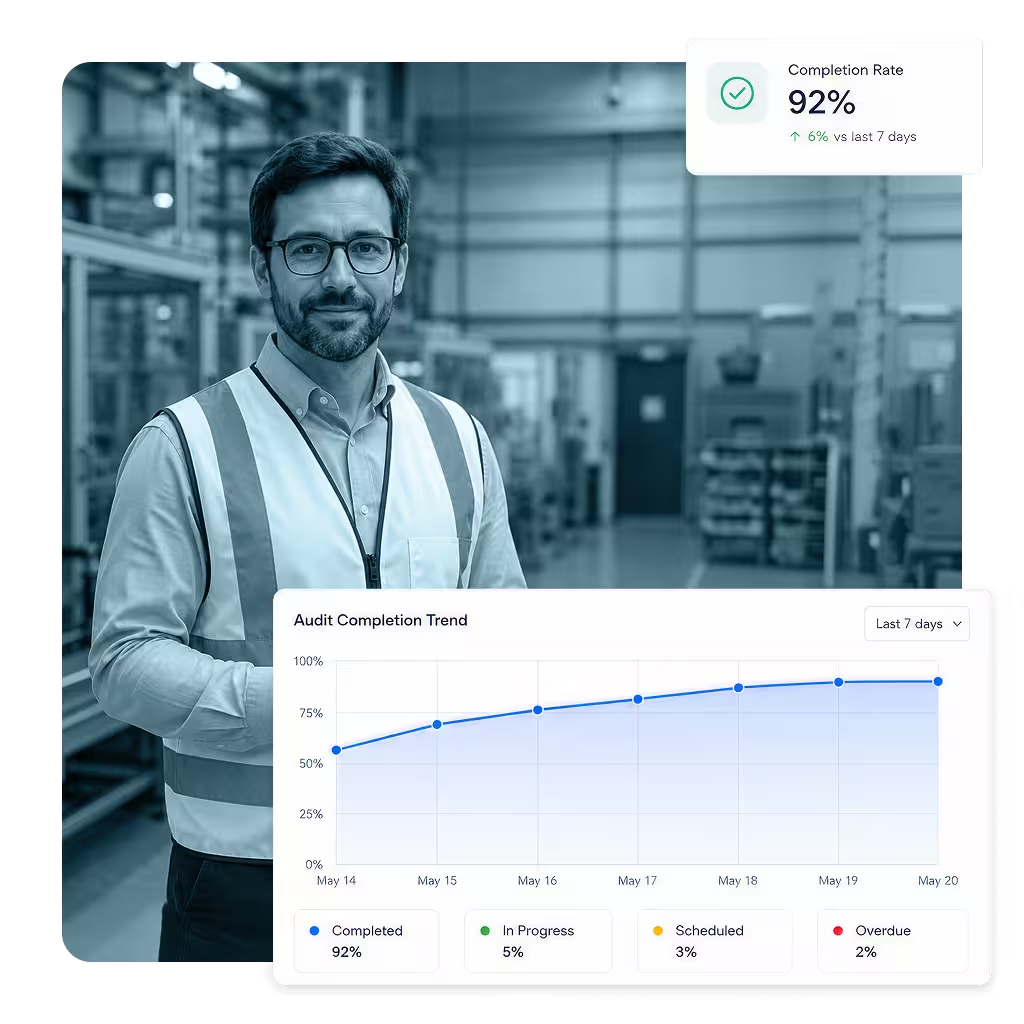
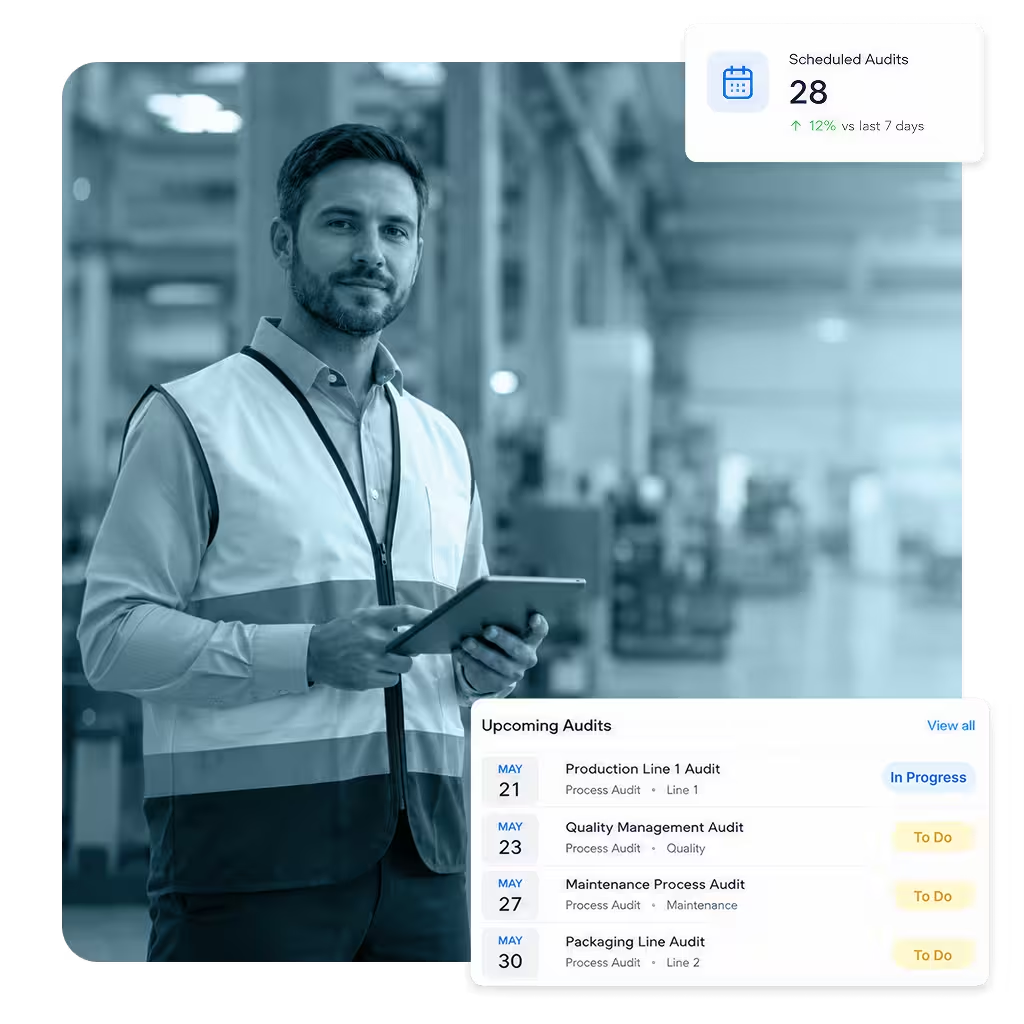
Managing multiple departments and audit frequencies on spreadsheets creates blind spots. flowdit centralizes your audit calendar, providing automated scheduling, real-time alerts, and visibility into what’s pending, in-progress, or complete.

Centralized portal for all audit tasks

Automated scheduling for recurring audits

Delegate by department or process

Real-time completion tracking
Digital checklist on tablet

Field-ready digital checklists

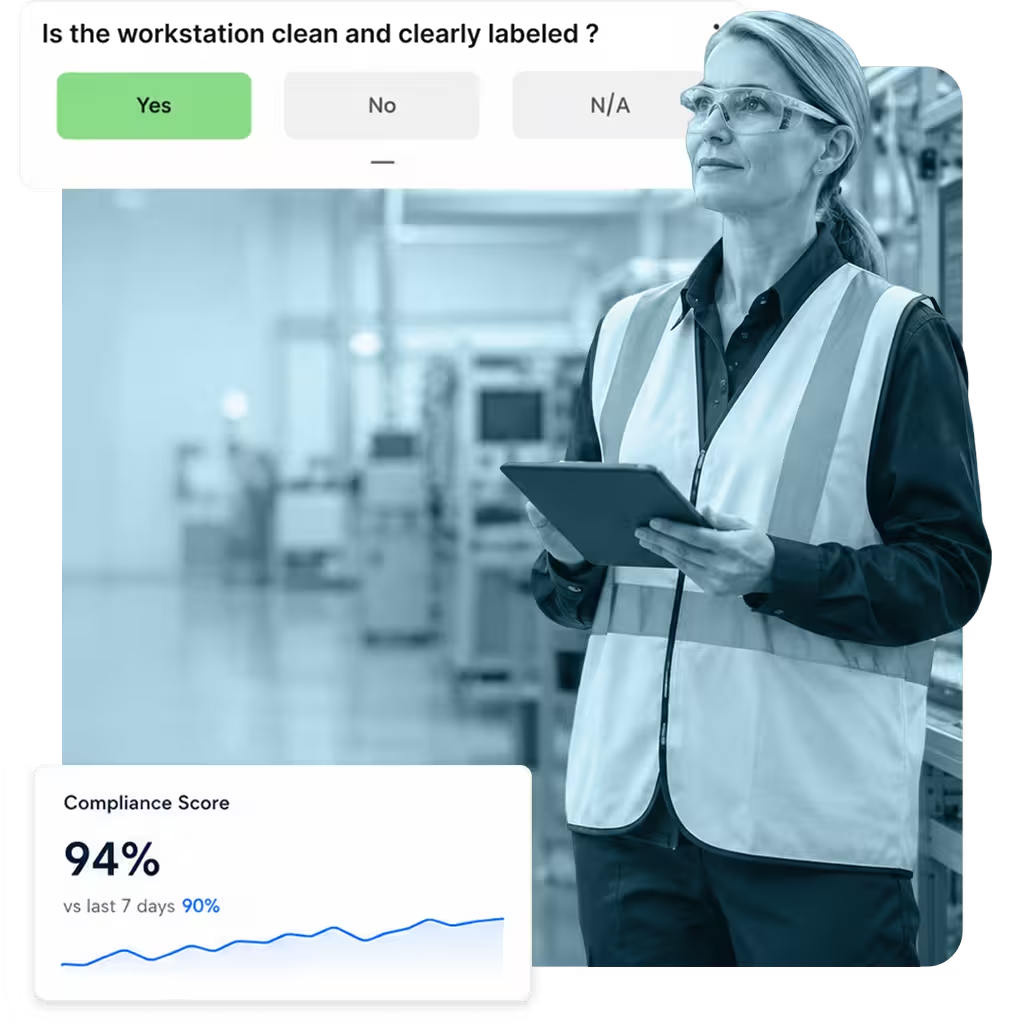
Audit where the work happens. flowdit builds your SOPs into structured, mobile-first checklists. Use conditional logic to trigger follow-up questions when deviations occur, and capture photo proof on-site. Works fully offline in any facility.

Custom checklists for all processes

Photo evidence for every finding

Logic-driven deviation questions

Fully offline capable
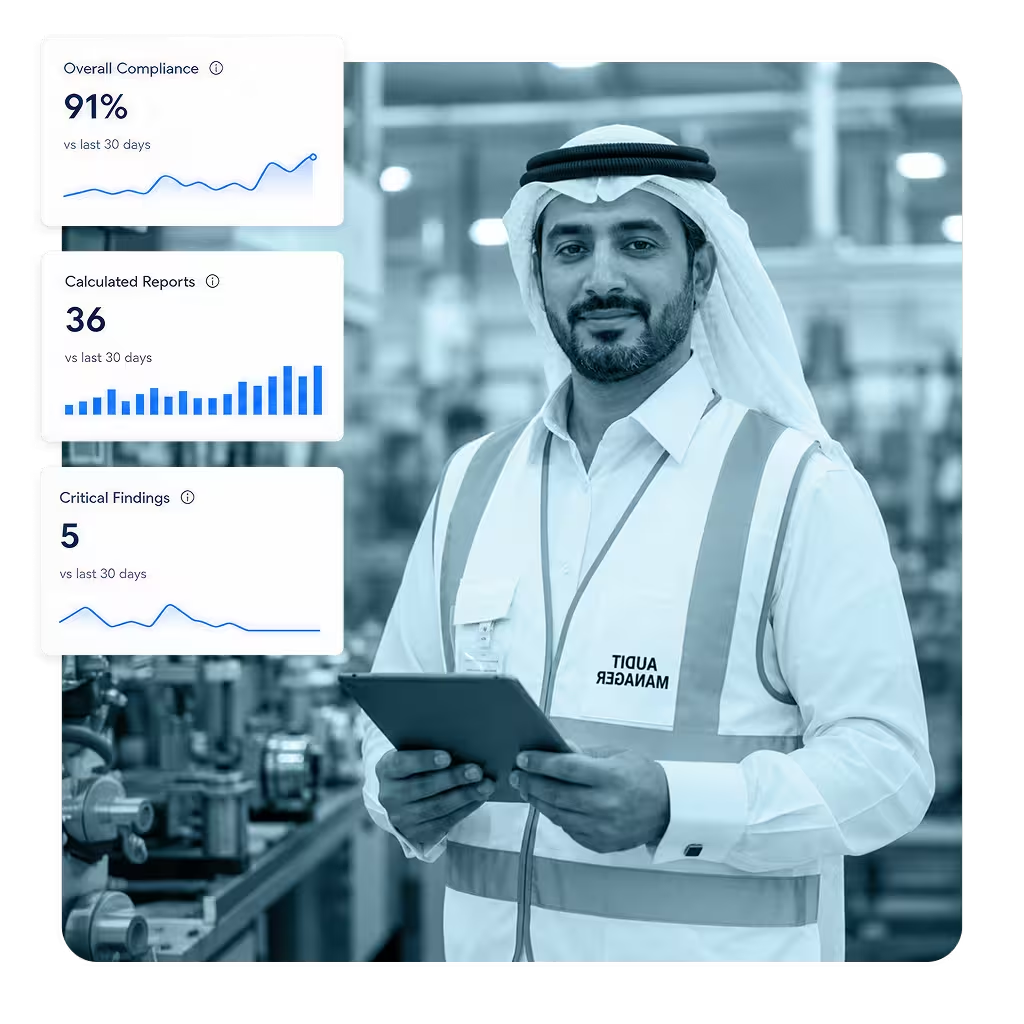
Audit reporting dashboard

Audit-ready, automated reporting

Ditch manual report generation. flowdit generates professional, branded PDFs the moment an audit closes. These reports bundle findings, photos, and deficiency status in a format ready for management review or certification audits.

[Image of audit report document]

Automatic severity & compliance scoring

Branded PDF outputs

Signed audit trails

Certification-compliant documentation
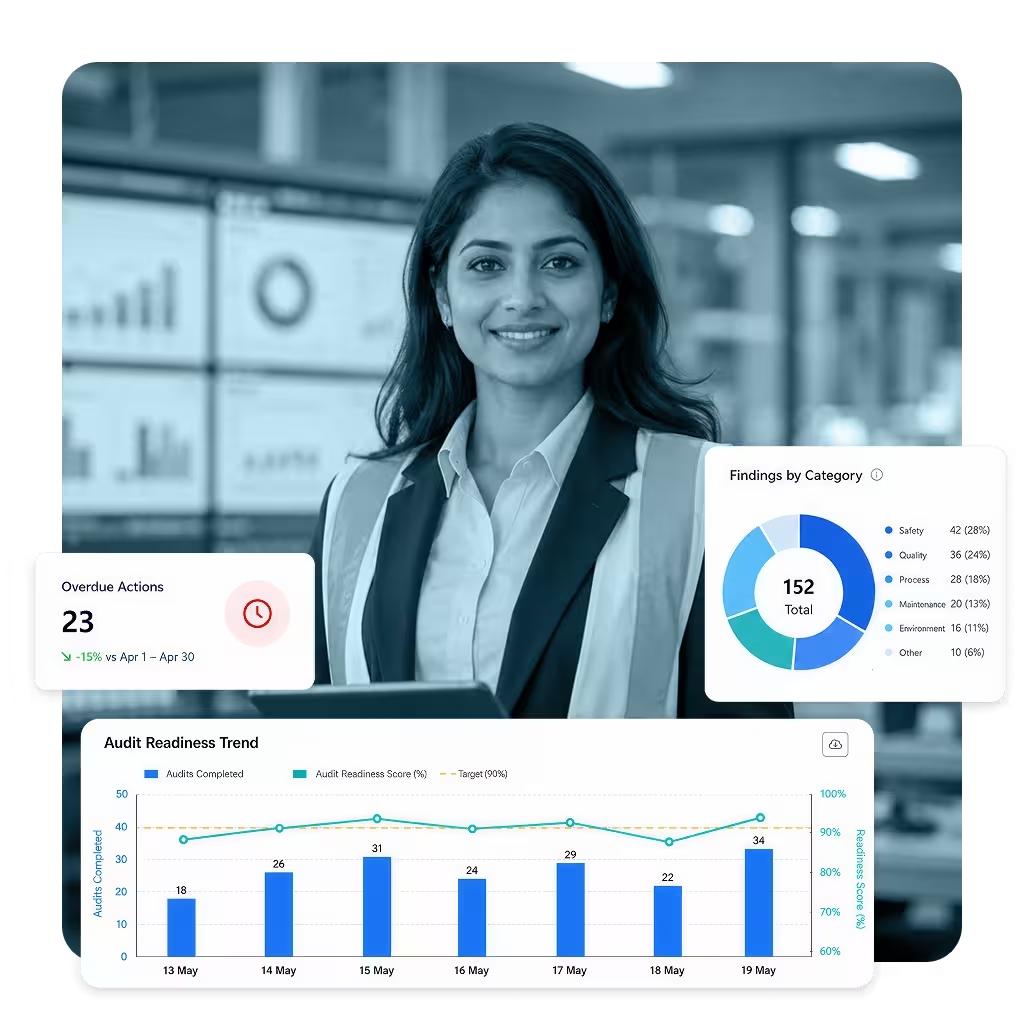
Audit analytics and KPIs

Improve via data

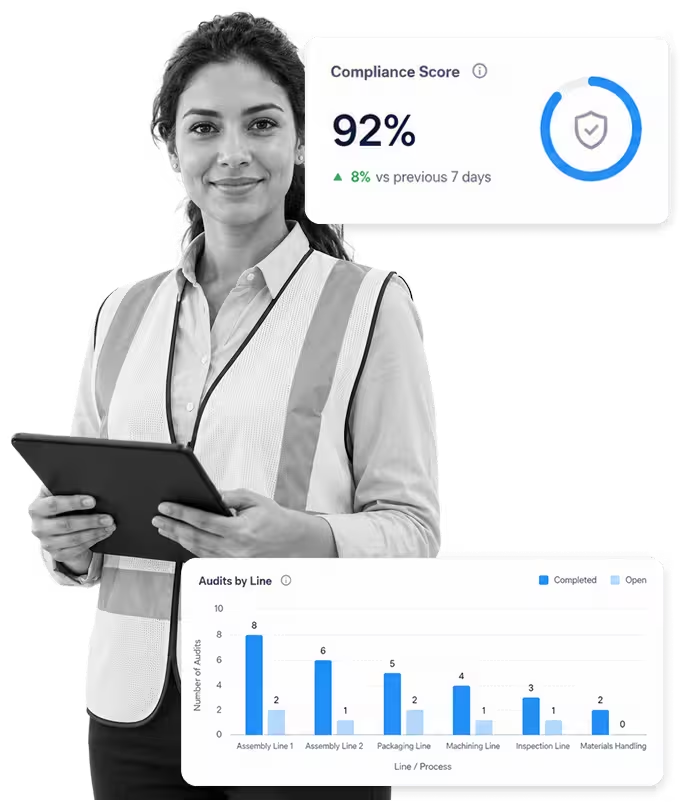
Use performance data to predict issues. Compare trends by process and department to find root causes. Track how fast your team resolves hazards and shift from reactive fire-fighting to data-backed improvement.

[Image of analytics dashboard]

Compliance heatmaps by department

Predictive trend analysis

Resolution speed metrics

Expert custom setup
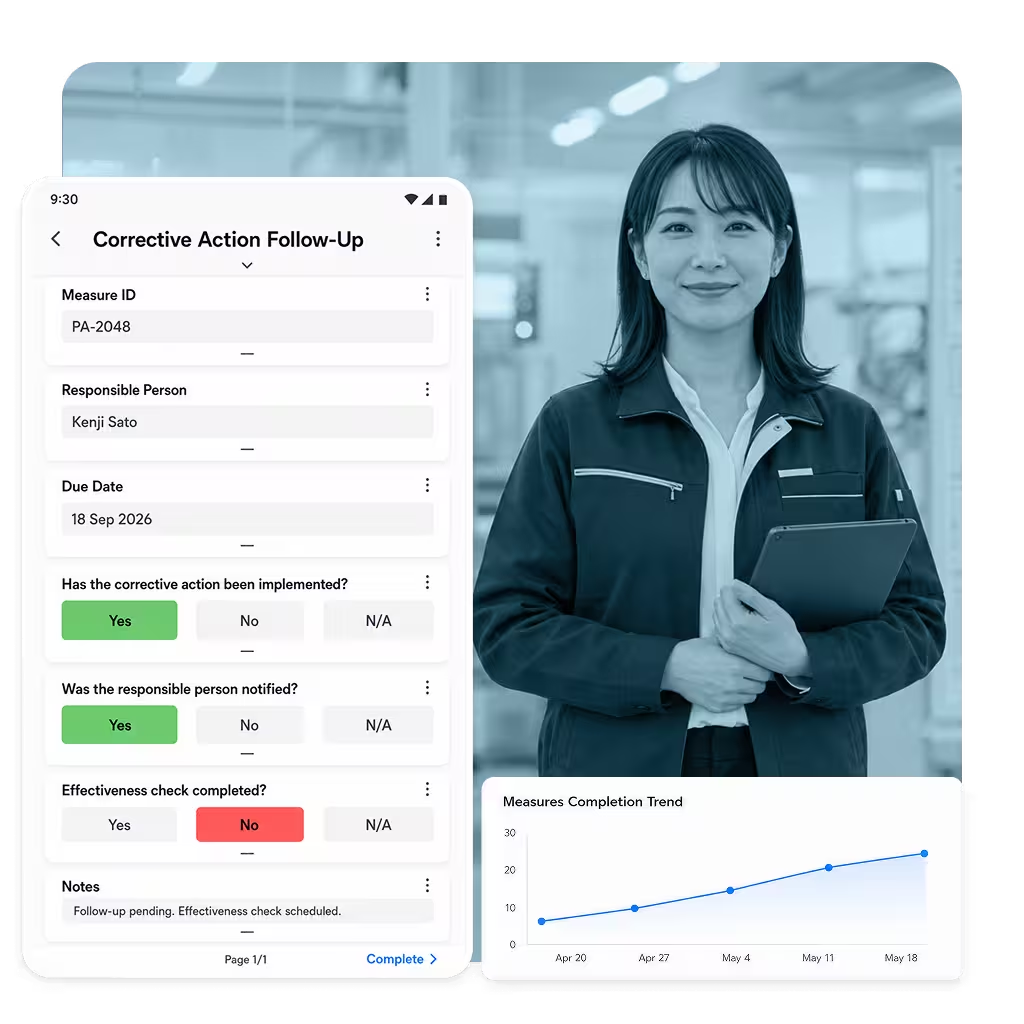
CAPA workflow collaboration

Close safety gaps

Don't leave hazards unaddressed. flowdit converts every finding into a tracked task with a deadline and owner. Automated alerts ensure accountability, while mandatory verification checks confirm the fix holds before closure.

Assign owners and deadlines

Automatic hazard escalation

Automated reminders

Verified resolution before closure

Software for all operational audit types

Manage internal audits centrally. flowdit supports your full audit and compliance program in one interface.

SOP Compliance

Quality (ISO 9001/IATF)

EHS Internal Audits

Operational Excellence

Contractor/Supplier Audits

Digitize internal audits

Plan
Schedules & templates
Execute
Offline-ready mobile app
Capture
Photo evidence
Flag
Severity levels
Assign
Accountability
Resolve
Task completion
Report
PDF compliance reports
Analyze
Trend intelligence

See how top teams use flowdit

Explore more stories

FAQs

An internal audit is a systematic, objective review of your organization's processes, procedures, and compliance with standards to identify gaps and drive improvement. Unlike external audits by regulators or certification bodies, internal audits are conducted by your own team to catch and fix problems before external audits expose them. Strong internal audits improve operational efficiency, ensure regulatory compliance, prevent defects, and prepare your organization for certification audits. They shift from reactive problem-solving to proactive risk management.

Internal audits are conducted by your own staff to verify compliance with your procedures and standards - they're preventive and frequent (monthly, quarterly). External audits are performed by independent auditors (regulatory inspectors, certification bodies, or customers) to verify compliance for legal or commercial reasons - they're formal, less frequent (annual or every 3 years), and carry legal weight. Internal audits should find and fix issues before external audits discover them. Strong internal audits demonstrate due diligence and preparedness when external auditors arrive.

  • Process audits: Verify specific processes (production, procurement) follow documented procedures.
  • System audits: Assess the entire management system (quality, environmental, safety) against standards like ISO 9001.
  • Compliance audits: Confirm adherence to legal requirements, regulations, and permits.
  • SOP audits: Verify standard operating procedures are documented and followed correctly.
  • Product audits: Check finished goods meet specifications and quality standards.

Start by identifying all processes and systems in your organization that matter - quality, production, safety, environmental, procurement. Assess risk: critical processes (those impacting quality, safety, compliance) audit more frequently; lower-risk areas less often. Set an annual audit schedule that covers all critical areas at least once - e.g., production quality audits monthly, environmental audits quarterly, procurement system audits annually. Assign auditors with appropriate knowledge. Schedule audits to avoid peak production times when possible. Document your audit plan and share it with the organization so teams can prepare.

Checklists should be based on your documented procedures, relevant standards (ISO 9001, ISO 14001, IATF 16949), and regulatory requirements. Include yes/no questions about specific, observable practices - e.g., "Are documented procedures visible on the shop floor?" "Are temperature records complete and signed?" "Is equipment calibration current?" Mix objective questions (what's documented) with observational questions (what's actually happening). Add conditional logic: if the answer to "Is procedure X being followed?" is no, trigger follow-up questions about why. Include photo capture fields for evidence. Digital checklists guide auditors through consistent logic and prevent missed questions.

Internal audits should be conducted by trained, impartial staff who have knowledge of the process being audited but are independent from it - e.g., an operator from another shift auditing a different line, or a quality manager auditing procurement. Auditors need training on audit methodology, the applicable standards, the organization's procedures, and communication skills. Many organizations create a "quality audit team" that conducts all system and process audits to ensure consistency and avoid conflicts of interest. Rotating audit responsibilities across departments builds audit knowledge across the organization and ensures no single person or team has bias.

ISO 9001, ISO 14001, and most quality standards require at least one internal audit annually covering all critical processes. However, best practice is more frequent. High-risk or critical processes should audit monthly or quarterly to catch issues early. System audits (overall quality management system) once per year to assess effectiveness. Low-risk or stable processes may audit annually or bi-annually. If external audits are scheduled, ramp up internal audit frequency 2-3 months before to find and fix gaps. Frequency should match your risk level and operational complexity - complex, high-volume manufacturing needs more frequent audits than a small service business.

Inspections focus on product or output - checking that a finished product meets specifications, or that a workstation is clean and organized (like 5S audits). Audits are broader - they assess whether processes, procedures, and systems are in place and being followed consistently. An inspection answers "does this output meet standards?" An audit answers "is our system designed and executed to consistently produce outputs that meet standards?" Both matter: inspections catch individual failures; audits prevent systemic failures. Many organizations run both - daily inspections of outputs, and periodic audits of the systems that produce them.

Document the date, location, auditor name, specific finding with evidence (e.g., "Maintenance log for CNC machine not updated since 15 June" with photos), severity (non-conformance or observation), and root cause. Severity categories: non-conformance = breach of procedure or standard that creates risk; observation = minor gap or improvement opportunity. Assign a corrective action owner and deadline - non-conformances typically need action within 30 days, observations within 90 days. Track closure: the owner must verify the fix, and the auditor must confirm closure before marking complete. Keep all records for at least 3 years. Digital systems create timestamped reports and automate follow-up tracking.

Good auditors have: technical knowledge of the process being audited, training in audit methodology and relevant standards (ISO 9001, IATF 16949, etc.), objectivity and independence from the audited process, strong communication skills (ability to explain findings diplomatically), attention to detail (catching overlooked gaps), and integrity (reporting honestly without bias or pressure). They ask open-ended questions to understand how and why work is performed, verify compliance through observation and documentation review, and distinguish between isolated lapses and systemic failures. Many organizations provide formal auditor training (IIA certification or equivalent) to develop consistent audit competency across teams.

Frequent findings include: incomplete or missing documentation (maintenance logs, training records, calibration certs), procedures not visible or accessible on the shop floor, staff unaware of or not following documented procedures, expired certifications or permits, equipment not calibrated or maintained per schedule, lack of evidence that procedures are actually being used (e.g., inspection records show signing but no actual checks), and missing sign-off or approvals required by procedures. These gaps repeat because they're often low-cost to fix but easy to overlook during busy operations. Systematic audits catch and document them, creating accountability to fix the root causes.

Create a CAPA (Corrective and Preventive Action) register that documents each finding, the root cause, the corrective action, the owner, the deadline, and verification method. Assign ownership to specific people - not teams - so accountability is clear. Set hard deadlines (critical issues immediately, non-conformances within 30 days, observations within 90 days). Send automated reminders before deadlines. When the owner reports completion, the auditor must verify the fix is actually in place and effective before closing. Track metrics: percentage of findings with corrective actions assigned, percentage closed on time, and trends in finding types to spot systemic issues. Digital tracking systems prevent findings from slipping through the cracks and ensure management visibility.

Audit independence means the auditor has no direct responsibility for the process being audited and cannot be pressured to hide findings by the area's manager. A production manager auditing their own line has a conflict of interest - they may soften findings to avoid looking bad. An independent auditor can report honestly. Independence is critical because internal audits are only valuable if they surface real issues. External auditors expect to see evidence that internal audits are objective - they review internal audit reports during certification audits to assess organizational culture. Many standards (ISO 9001, IATF 16949) explicitly require audit independence to ensure credibility and effectiveness.

Begin 2-3 months before the external audit: conduct frequent internal audits to identify and fix gaps, ensure all procedures are current and documented, verify staff training is complete and documented, organize records (3 years of audit reports, corrective actions, calibration certificates, maintenance logs), test compliance in practice - ask staff to walk through procedures to confirm they know them, mock interview key personnel, and inspect facilities for visible compliance. External auditors will review your internal audit reports, so ensure they're thorough and professional. Demonstrate that you take audits seriously and that findings are acted upon promptly. Audit readiness reduces delays, re-audit costs, and certification rejection risk.

Regular audits identify inefficiencies, gaps, and non-compliance before they cause problems. Trending audit findings reveals systemic issues - e.g., if five audits find "staff untrained on procedure X," you know training is failing, not just individuals. This data drives improvements: fixing training prevents future non-conformances and reduces defects. Audits also build accountability - knowing they'll be audited, teams maintain discipline. When staff see that findings lead to improvements (new equipment, better procedures, more training), they engage more honestly. Organizations that audit regularly report higher quality, fewer customer complaints, lower incident rates, and faster time-to-fix when problems do occur. Audits are an investment in continuous improvement.

Ready to eliminate audit bottlenecks?

Skip the sales pitch. Tell us your biggest compliance headache, and we will provide an actionable plan within 24 hours.

Sales & demo requests
Mon-Fri, 9:00 am to 5:00 pm GST
+971 52 293 9955‬ support-int@flowdit.com
IOTIVATA - FZCO office in the Dubai Digital Park, Office A5-Dtec, Dubai Silicon Oasis