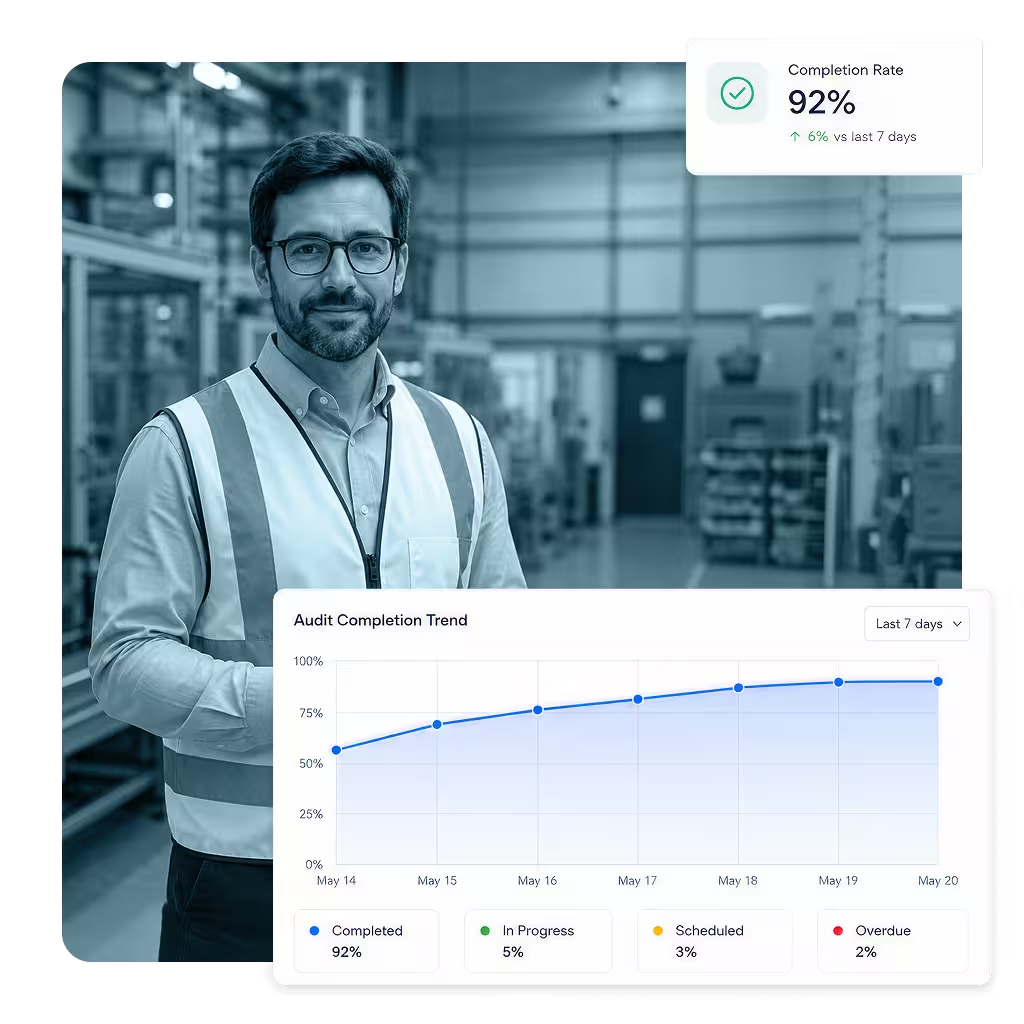
Supplier Audit Software for Digital Vendor Qualification and Supply Chain Compliance

Supplier defects often stem from unmanaged audit trails. Don't lose critical data to spreadsheets or missing paperwork. flowdit digitizes your entire audit lifecycle—from vendor qualification and self-assessments to corrective action follow-up. Stay compliant with ISO 9001 Clause 8.4 and IATF 16949 automatically.
See How It Works in Just 2 Minutes

Stop juggling paper. flowdit gives your quality and procurement teams a mobile-first platform to plan, conduct, and track supplier audits. Easily manage qualifications, involve suppliers directly, and track issues from finding to closure.

Digitize supplier audits and control supply chain quality

Supplier quality shouldn't rely on paper checklists. If your findings are buried in email threads, you're missing visibility into real risks. flowdit replaces manual processes with structured digital workflows. Ensure total compliance with ISO 9001 Clause 8.4 and IATF 16949, and gain the transparency you need to manage risk effectively.

Meet ISO 9001 Clause 8.4 and IATF 16949 standards easily

Plan and track all supplier audits from one dashboard

Maintain a full, permanent audit history per vendor

Spot high-risk suppliers early and prioritize actions
Audit planning and inspection
Planning workflow and strategy board

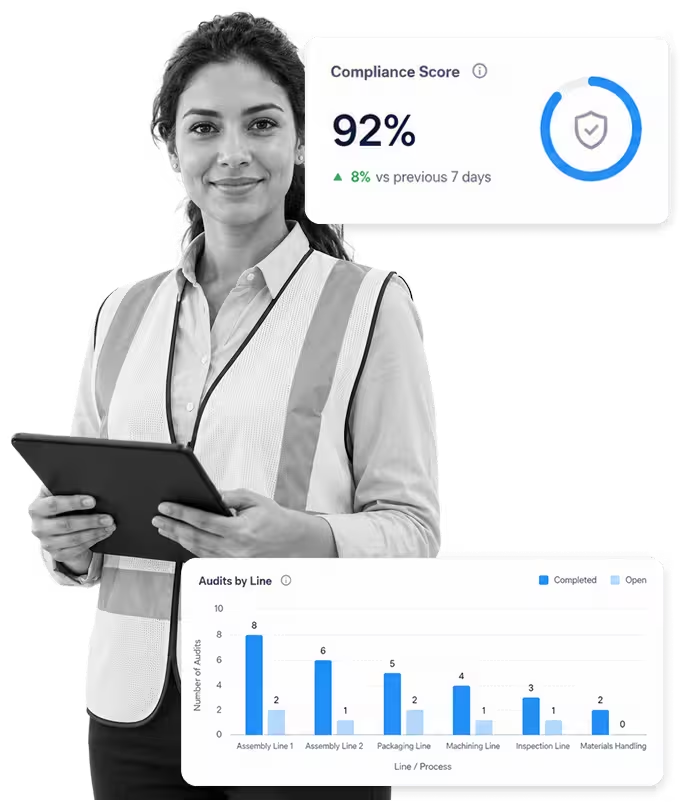
Centrally plan and manage your audit program

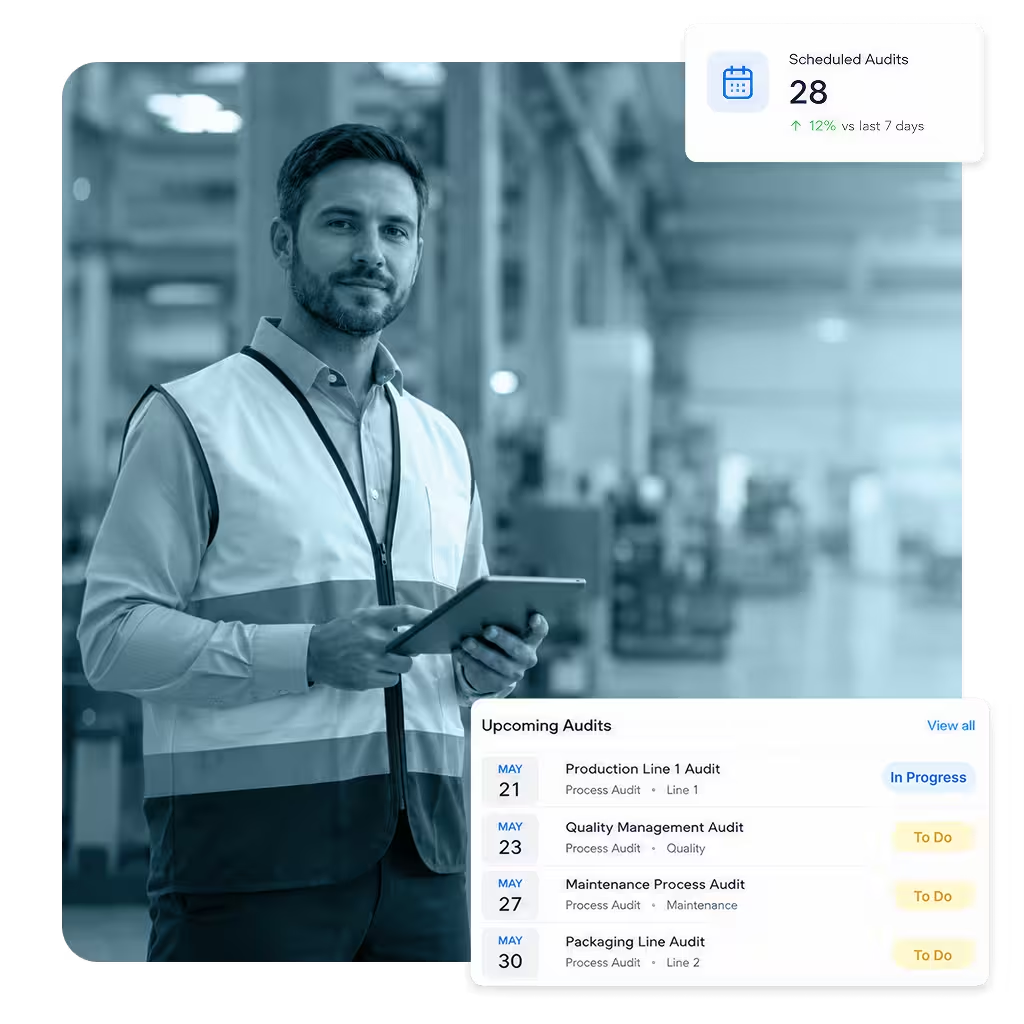
Managing supplier qualifications, schedules, and corrective actions in spreadsheets leaves you blind to deadlines and overdue audits. flowdit centralizes your entire program. Get real-time visibility into your audit schedule and supplier risks, ensuring nothing falls through the cracks.

Central supplier audit register

Schedule initial and periodic re-assessments

Real-time tracking of overdue audits

Risk-based audit prioritization
Digital checklist on tablet

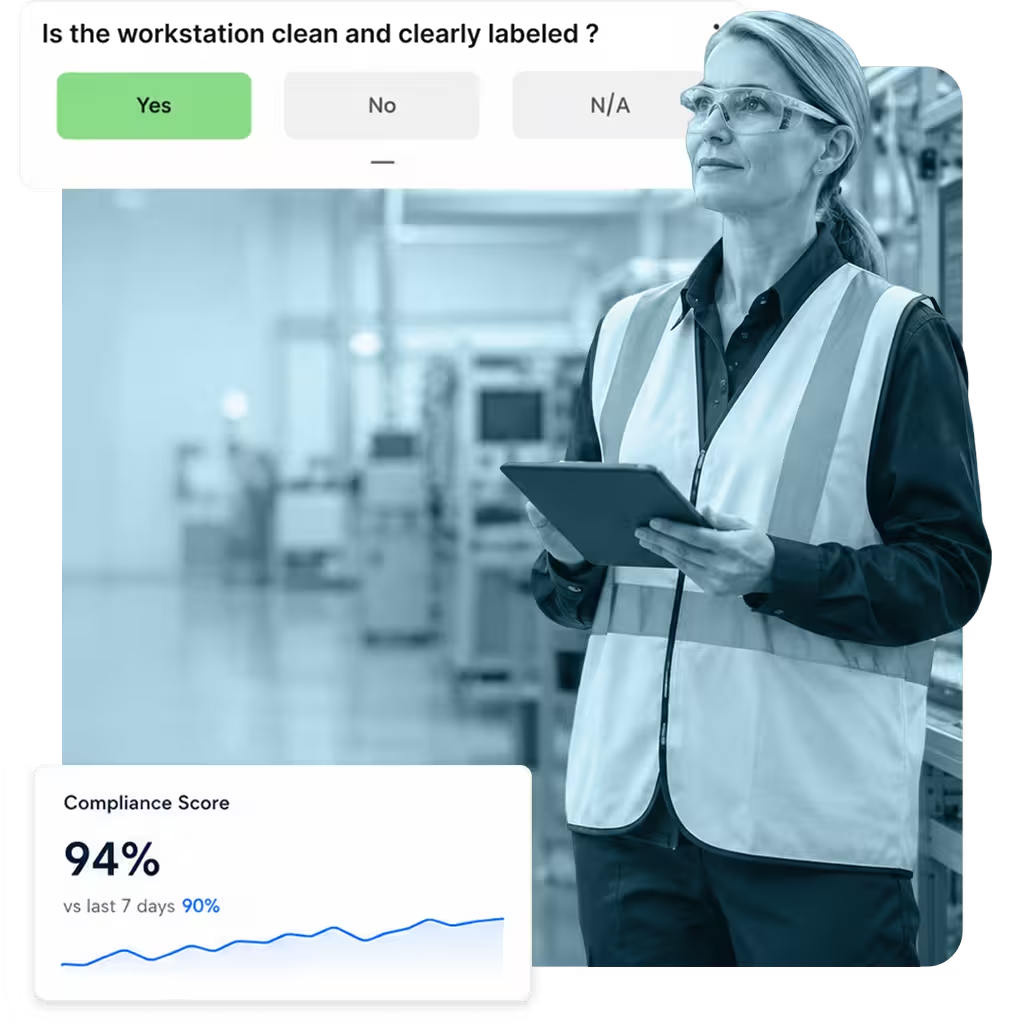
Digital checklists and self-assessments

Need a QMS assessment, process audit, or site inspection? flowdit handles it. When on-site visits aren't possible, invite suppliers to complete remote self-assessments directly in the platform. Upload photos, documentation, and evidence, all saved directly to the supplier's record.

Standardized QMS and site inspection checklists

Remote questionnaires with document upload

Logic-driven follow-ups for critical findings

Offline support for remote site visits

Audit reporting dashboard

Instant scoring and qualification reports

Stop writing reports. flowdit applies your scoring model automatically—calculating weights, thresholds, and risk ratings. Generate a branded audit report immediately, complete with photo evidence and signatures. Share it with the supplier and store it in their history for future decisions.

Configurable scoring models

Automated supplier risk ratings

Instant, branded PDF exports

Complete audit trails per supplier
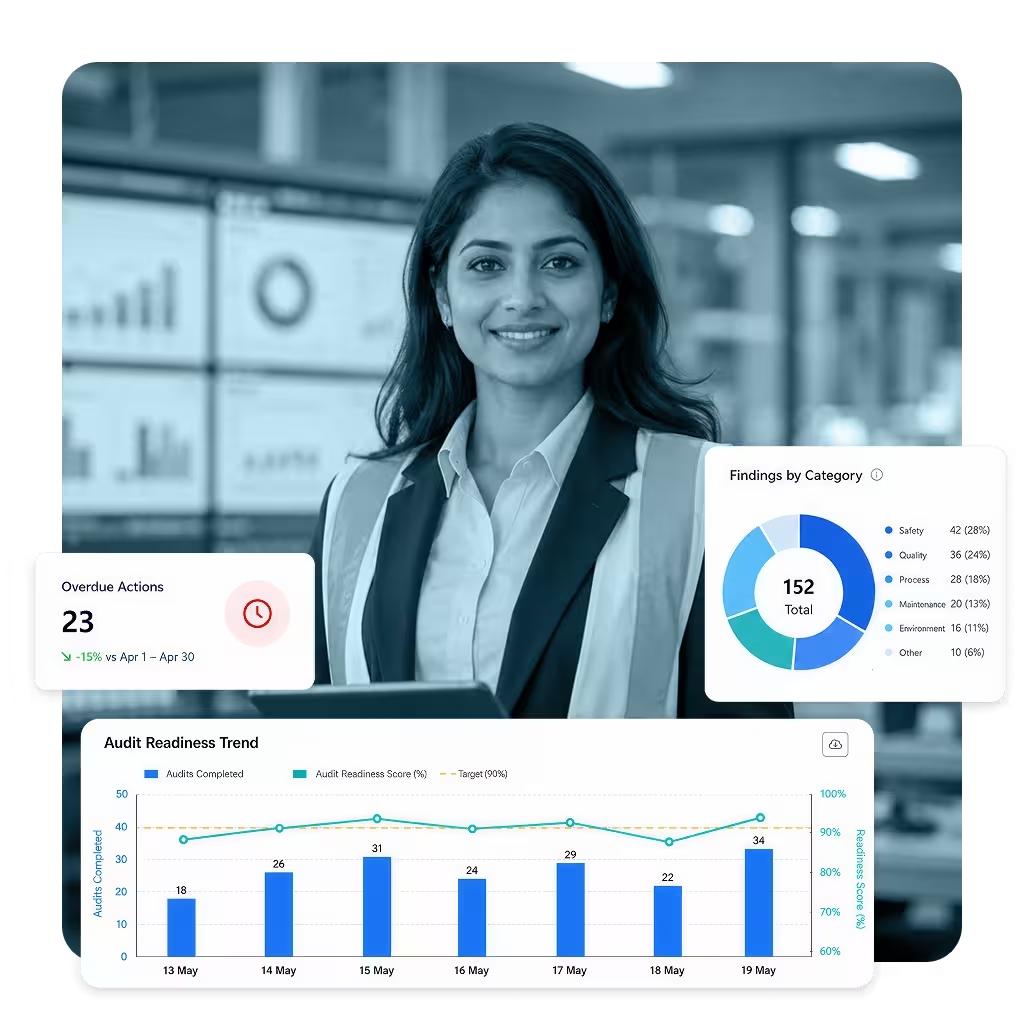
Audit analytics and KPIs

Analyze performance across your vendor base

Stop guessing which suppliers are performing well. Our analytics visualize audit scores, nonconformance trends, and CAPA status. Power BI dashboards give procurement and quality leadership a real-time view of risk—so you can make decisions based on data, not gut feelings.

Supplier dashboards (scores, findings, CAPA status)

Compare performance trends over time

Pinpoint recurring nonconformance patterns

Handled by the flowdit team
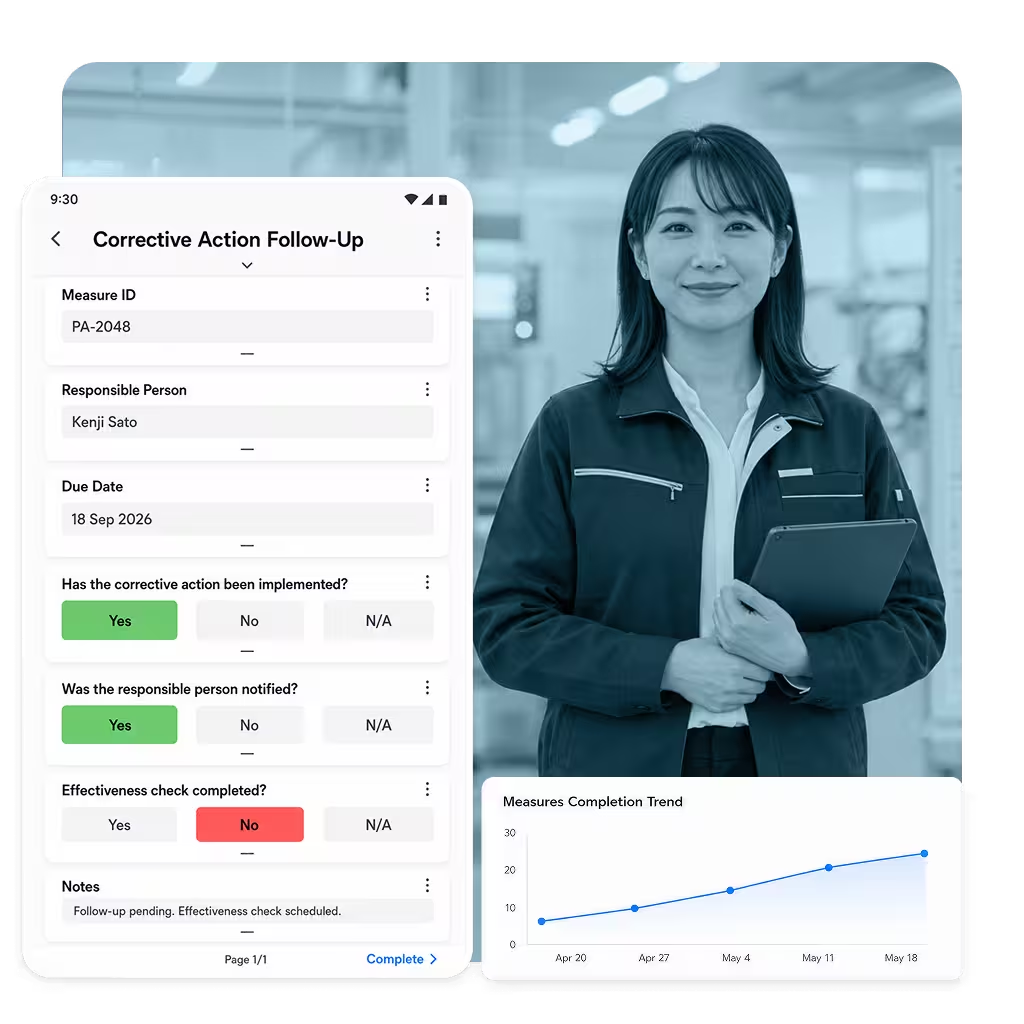
CAPA workflow collaboration

From findings to closed corrective actions

Don't let findings stall. Every issue triggers a corrective action task with an owner, deadline, and required evidence. Suppliers get portal access to respond, eliminating email ping-pong. Automated reminders ensure completion, and effectiveness checks prevent re-occurrence.

CAPA tracking with assigned owners and deadlines

Supplier portal for submitting evidence

Auto-reminders for overdue actions

Verification checks before closure

Audit software for every vendor requirement

Manage all assessments on one platform. flowdit scales with your needs, from initial onboarding to periodic standards compliance.

Initial Qualification Audits

Periodic Performance Re-Assessments

Remote Self-Assessment Questionnaires

On-site Manufacturing Process Audits

HACCP and GMP Food Supplier Audits

Customer-Specific Requirements (Ford Q1, VDA)

Digitize audits. Control every step.

Ensure visibility and accountability throughout your vendor lifecycle.

Plan audits
Schedules, templates & risk priorities
Invite suppliers
Self-assessments or site visits
Execute audits
Offline-ready digital checklists
Capture evidence
Photos, documents & signatures
Score suppliers
Auto-qualification & risk classification
Assign CAPA
Owners, due dates & priorities
Report results
Automated supplier reports
Analyze performance
Trends & risk dashboards

How teams manage quality and inspections with flowdit

Explore more stories

FAQs

A supplier audit is a systematic review of a vendor's quality management system, processes, and compliance with standards to ensure they can reliably deliver products or services that meet your requirements. Audits assess their ability to control quality, manage risks, and comply with regulations. They're critical because supplier defects become your defects - poor supplier quality cascades to customer complaints, recalls, and brand damage. Audits prevent problems before they reach your production line or customers. They're also required by ISO 9001 Clause 8.4 and by customer demands (automotive OEMs, retailers, food distributors).

ISO 9001 Clause 8.4 requires organizations to evaluate and manage suppliers based on their ability to meet requirements, including quality. You must define criteria for supplier selection, document your evaluation method (audit, questionnaire, certification review), assess suppliers before use, and monitor their performance through periodic audits or other means. The standard expects documented evidence of supplier management - audits satisfy this requirement. Organizations must determine audit frequency based on supplier risk (critical suppliers audit more often, low-risk suppliers less). ISO 9001 certification auditors review your supplier audit program as proof of control.

Initial qualification audits assess new suppliers before you use them - they verify the supplier has quality systems, trained staff, and capability to meet your requirements. These are comprehensive and often on-site. Re-assessment audits (annual or periodic) monitor existing suppliers' continued compliance and performance - they verify that quality systems are maintained, previous findings are closed, and defect trends haven't emerged. Re-assessments are typically shorter and more focused on high-risk areas and past problem areas. Risk-based approach: critical suppliers (sole sources, long lead times, high-impact materials) audit more frequently; stable, low-risk suppliers audit less often.

A comprehensive checklist covers: quality management system (documented procedures, management review), design and development controls (if applicable), purchasing and supplier management, production or service delivery process controls, inspection and testing of products/materials, calibration of measuring equipment, corrective action procedures, staff training and competency, facilities and infrastructure, handling and storage of materials, and regulatory compliance relevant to the supplier's business. Include product-specific criteria (food safety for food suppliers, medical device requirements for pharma suppliers, HACCP for food handlers). Add conditional logic for follow-ups. Digital checklists can be tailored per supplier type and capture mandatory photo evidence of facilities, equipment, and records.

Start by documenting your supplier evaluation criteria and audit policy. Inventory all suppliers and categorize by risk - critical (sole source, high-impact materials, complex requirements), significant (multiple sources, important to operations), and low-risk (commodity items, multiple alternatives). Set audit frequency per category (critical suppliers annually or bi-annually, significant suppliers annually, low-risk suppliers every 2-3 years). Define your audit scope (QMS, specific processes, regulatory compliance) and create standardized checklists per supplier type. Assign responsibility for supplier management and audit scheduling. Schedule audits to create an annual plan covering all critical suppliers. Document your procedure and communicate expectations to suppliers. Digital systems centralize scheduling and ensure audits happen on time.

Risk-based approach: audit critical suppliers (sole sources, strategic partners, complex products) annually or every 18 months. Audit significant suppliers annually or bi-annually depending on past performance and criticality. Audit low-risk suppliers every 2-3 years or less if they're proven stable. Increase frequency if you've had quality issues - suppliers with high defect rates, past non-conformances, or missed deliveries should audit more often until they improve. Decrease frequency once suppliers demonstrate sustained compliance and no findings. IATF 16949 automotive suppliers typically require annual audits minimum. ISO 9001 requires audits to be planned based on risk but doesn't specify frequency. Flexibility is key - adjust based on supplier performance data and business criticality.

IATF 16949 (the automotive quality standard) has strict supplier management requirements in Clause 8.4. It requires: documented supplier evaluation criteria, initial audits of all new suppliers, periodic audits (typically annual) of existing suppliers, documented supplier scorecards tracking quality, delivery, and cost performance, and corrective action closure tracking. Suppliers must be assessed on their ability to meet IATF 16949 themselves if they're first-tier suppliers. OEMs and Tier 1 suppliers expect their suppliers to follow IATF 16949 requirements - it cascades down the supply chain. Automotive suppliers must maintain detailed audit records and demonstrate ongoing supplier management for IATF audits. Non-compliance with supplier management requirements is a major audit finding.

Create a scoring model that weights audit findings, on-time delivery, defect rates, and responsiveness. Example: audit compliance 40%, delivery performance 30%, quality (defect rate) 20%, responsiveness 10%. Rate each category (0-100) and calculate overall supplier score. Grade suppliers: A (85-100) = approved, reliable; B (70-84) = acceptable, monitor; C (55-69) = conditional, improvement plan required; D (below 55) = not approved, corrective action or delisting. Use scores to decide future audit frequency and purchasing volume. Share scorecards with suppliers so they understand expectations and see performance trends. Digital systems calculate scores automatically and track trends over time, helping identify improving vs. declining suppliers.

A supplier questionnaire (or self-assessment) allows you to evaluate suppliers when on-site visits aren't feasible - for remote suppliers, low-risk vendors, or initial screening. Suppliers answer standardized questions about their quality system, certifications, processes, and capabilities. They upload supporting documents (certificates, procedure manuals, test reports). Self-assessments are faster and cheaper than on-site audits but less thorough - you can't observe actual practices. Best practice: use questionnaires for initial screening, then conduct on-site audits for critical suppliers. For re-assessments, questionnaires can supplement on-site audits (supplier responds to questions, you verify on-site). Remote self-assessments save time and cost while still providing visibility into supplier compliance.

Document the audit date, supplier name, auditor, specific findings with evidence (e.g., "Calibration schedule for test equipment not maintained; last calibration January 2022" with photos), severity (non-conformance or observation), and impact on your product. Severity: non-conformance = breach affecting quality, delivery, or compliance; observation = minor gap or improvement opportunity. Create a formal audit report with audit score and supplier rating (A/B/C/D). Store the report in the supplier's file for future reference. Share findings with the supplier and assign corrective actions for non-conformances (typically 30-day deadline). Digital systems create branded reports with photo evidence and automatically link findings to corrective action tracking, ensuring nothing gets lost.

Frequent findings include: incomplete or missing quality documentation (no inspection records, testing data, or control plans), lack of documented procedures or procedures not available on the floor, equipment not calibrated on schedule, inadequate staff training documentation, non-compliance with your specifications or purchase orders (wrong material grades, dimensions out-of-spec), inadequate material traceability (can't trace batches back to source), lack of corrective action system or previous findings not closed, environmental/safety compliance gaps, and weak supplier management (they don't audit their own suppliers). These gaps appear repeatedly because suppliers often prioritize cost over quality systems. Systematic audits catch them before they cause defects in your products. Following up on closure of findings demonstrates to audited suppliers that you're serious about compliance.

For each non-conformance, assign a corrective action: specify the issue, the root cause, what the supplier must fix, the deadline (typically 30 days for major findings), and how they'll verify the fix. Require suppliers to provide evidence - photos, test reports, training certificates - proving completion. Don't accept "we fixed it" without proof. Track deadline and follow up if overdue. Have your team verify that the fix actually works (sample their product, observe the process) before closing. Document the verification. For critical issues (safety, regulatory), audit closure on-site. Digital supplier portals let suppliers upload evidence directly, reducing email ping-pong and creating a clear audit trail. Automated reminders keep actions moving.

Supplier risk management means evaluating which suppliers pose the greatest risk to your business and auditing them accordingly. Risk factors: supplier criticality (sole source, unique capability, long lead times), product criticality (impacts safety, regulatory, or customer perception), supplier performance history (past quality issues, delivery failures), supplier complexity (manufacturing, assembly, or just distribution), and geographic/geopolitical risk (political instability, single-region sourcing). Create a risk matrix scoring each supplier, then audit frequency is proportional to risk - highest-risk suppliers get annual or bi-annual audits; lower-risk get less frequent audits. Trending supplier audit scores and on-time delivery helps you identify deteriorating suppliers before they create major problems. Risk-based auditing allocates resources efficiently.

Your customers (especially automotive OEMs and retailers) will audit your suppliers as part of their supply chain verification. If your supplier fails their audit, it reflects on you. Prepare by: knowing which suppliers are critical to customers, briefing suppliers on customer expectations and audit dates, ensuring your suppliers have documented quality systems and up-to-date certifications, reviewing supplier audit history and closing any open non-conformances, and providing suppliers with templates or checklists showing what customers will verify. Conduct your own audits before customer audits to find gaps first. If a customer is concerned about a supplier, increase your audit frequency to monitor them closely and demonstrate control. Shared responsibility: your customers expect you to manage your supply chain effectively.

Major automotive OEMs and retailers have specific audit standards for their suppliers. Ford Q1 (now part of IATF 16949) is a quality certification for automotive suppliers - suppliers must pass Ford's on-site audits to be certified. VDA 6.3 (German automotive) is another supplier audit standard used by German OEMs. Retailers like Walmart have supplier audit requirements (usually SQAR or similar). If you supply these customers, they expect your suppliers to comply with their standards. Some buyers conduct their own audits of your suppliers to verify compliance. You should know which standards your major customers require and ensure critical suppliers meet them. This information shapes your supplier audit criteria and frequency - suppliers that serve your major customers need more rigorous auditing than those supplying internal operations only.

Ready to fix your audit bottlenecks?

Skip the sales pitch. Tell us your biggest compliance headache, and we'll send you actionable solutions within 24 hours.

Sales & demo requests
Mon-Fri, 9:00 am to 5:00 pm GST
+971 52 293 9955‬ support-int@flowdit.com
IOTIVATA - FZCO office in the Dubai Digital Park, Office A5-Dtec, Dubai Silicon Oasis